


Older Article
Newer Article


18 Nov 2025
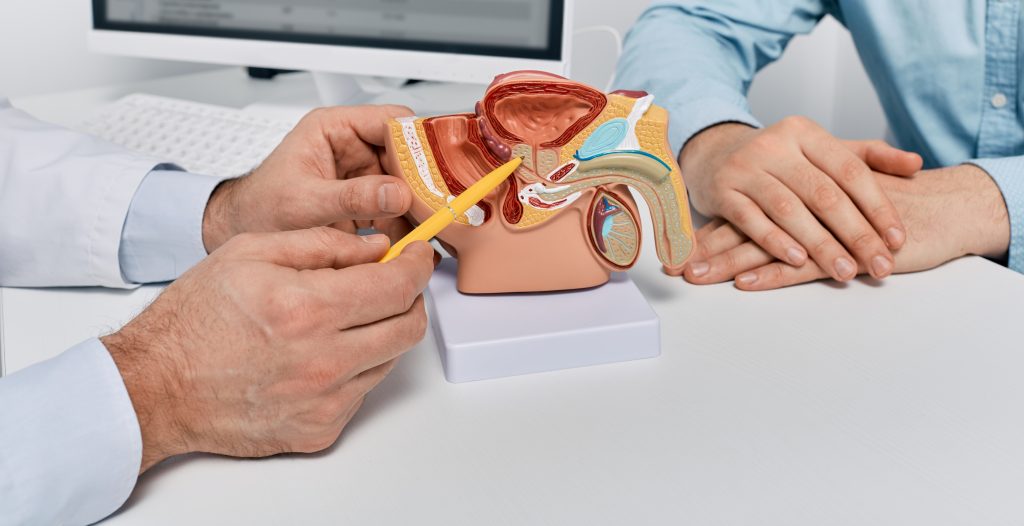
Prostate cancer is the most common cancer among men in Singapore, with over 3,500 new cases reported between 2017 and 2021, according to the Singapore Cancer Registry Annual Report 2022.
Similar to lung cancer is how quietly it develops with early stages often showing no symptoms. However, when signs and symptoms appear, they include the following:
Because symptoms appear late, screening is vital. The Prostate-Specific Antigen (PSA) test is a simple blood test that can detect issues early. If you are above 50, or 45 if you have a family history of prostate cancer, discuss screening options with your doctor.
There are a variety of treatment options for prostate cancer which include surgery, radiation therapy, hormone therapy, or active surveillance for low-risk cases. Fortunately, with early detection, survival rates of prostate cancer in Singapore are among the highest in the region.
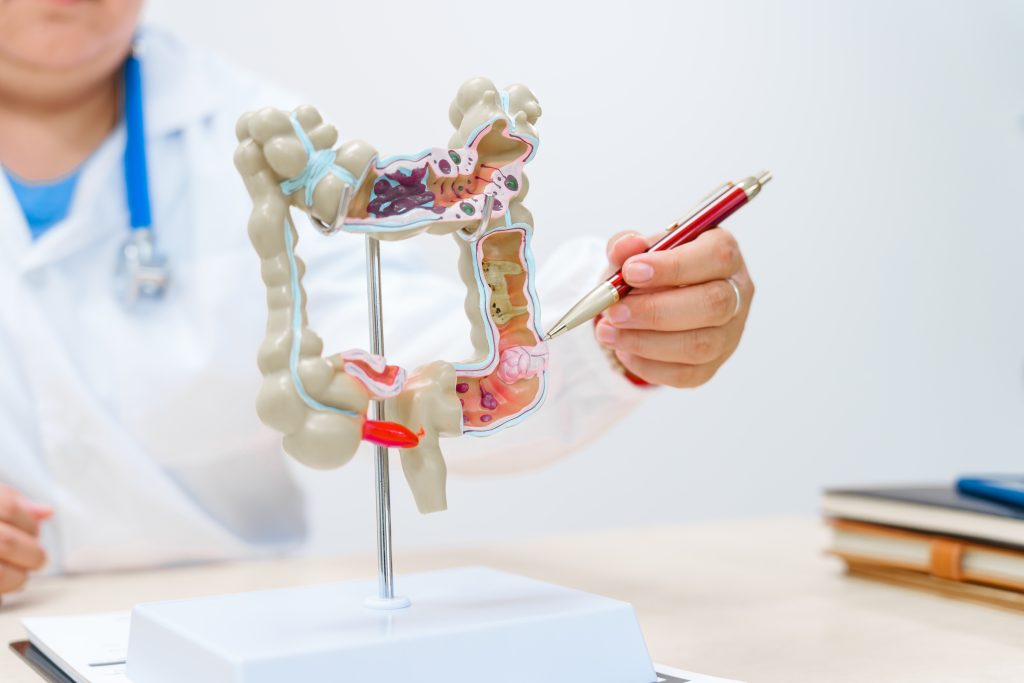
Colorectal cancer is the second most common cancer among Singaporean men, and it develops slowly over many years. It often begins as small, benign polyps that can turn cancerous if not removed.
Warning signs of colorectal cancer include:
In Singapore, the Faecal Immunochemical Test (FIT) and colonoscopy are the two main screening tools. Adults aged 50 and above are encouraged to do the FIT test annually, a free kit is even available under the Screen for Life programme.
Depending on the stage, treatment for colorectal cancer in Singapore includes surgery, chemotherapy, or targeted therapy. The earlier the cancer is caught, the higher the chance of full recovery.
Insurance tip: Some Integrated Shield Plans (IPs) and Corporate Insurance in Singapore cover outpatient colonoscopies, especially when recommended by a doctor. Check if your plan includes these preventive benefits.

Lung cancer is the leading cause of cancer deaths among men in Singapore. While smoking is a major risk factor, non-smokers are not exempt, air pollution, genetic factors, and exposure to second-hand smoke or occupational chemicals can all contribute.
Common symptoms of lung cancer include:
Because lung cancer is often diagnosed late, early screening and medical attention are key. Low-dose CT scans may be advised if you are a high-risk individual, particularly if you are a long-term smoker or have a family history of lung cancer.
Treatment options for lung cancer in Singapore include surgery, chemotherapy, immunotherapy, or targeted therapy, some of which are high-cost treatments. This is where health insurance coverage becomes crucial, ensuring that you have access to advanced therapies without financial strain.

Cardiovascular disease remains the number one cause of death in Singapore, with coronary heart disease being the most common form. Risk factors of cardiovascular disease include obesity, high blood pressure, diabetes, and chronic stress, all of which are typically widespread among the working men in Singapore.
If you are concerned about cardiovascular disease, watch out for the following symptoms:
Unfortunately, many men dismiss these warning signs as fatigue or indigestion. However, like most diseases, early diagnosis and lifestyle management are key to preventing serious events such as heart attacks.
Treatment for coronary heart disease in Singapore depends on its severity. This may involve medication, angioplasty or stent insertion, and cardiac rehabilitation. These can be expensive, but with proper insurance, including Critical Illness Coverage, you can focus on recovery instead of costs.
Watch our episode of Ask Me Anything, featuring Financial Services Consultant Sha Ling and Cardiologist Dr Lim Choon Pin.
They discuss what treatment looks like for someone diagnosed with a heart condition and more.
Beyond physical illnesses, mental health in Singapore is one of the biggest unspoken issues, as most view it as a taboo subject. Furthermore, data from the Institute of Mental Health (IMH) shows that men are less likely to seek help for depression or anxiety — and tragically, men account for more than 70% of suicide deaths locally.
A combination of work stress, societal pressure to “stay strong,” and financial burdens tend to take a toll. But what we all need to remember and understand is that seeking help from a professional is not a sign of weakness, it’s a strong step toward long-term wellbeing.
Some corporate health plans and private insurance policies now include coverage for mental health consultations or psychiatric treatment. Check your plan’s benefits to see if these are included.
Having the right mix of coverage can make all the difference when illness strikes. Here’s how each type of insurance helps:
MediShield Life:
Your MediShield Life provides basic protection for inpatient (at both private and public hospitals) and certain outpatient treatments at public hospitals. It also covers approved cancer drug treatments under MOH’s Cancer Drug List (CDL).
Integrated Shield Plans (IPs):
An Integrated Shield Plan is private insurance that expands your access to private specialists, faster treatment, and advanced therapies. Coverage includes surgeries, inpatient stays, and specialist consultations at both public and private hospitals. Your Integrated Shield Plan also provides coverage for pre- and post-hospitalisation specialist consultations.
Riders:
Riders are optional add-ons that reduce your out-of-pocket costs like deductibles and co-insurance. Some also provide daily hospital cash benefits or cancer-specific coverage.
Critical Illness Insurance:
A Critical Illness Plan offers a lump-sum payout upon diagnosis of major illnesses such as cancer or heart attack. This helps cover income loss, ongoing treatments not covered by IPs, or even your family expenses.
Disability Income Insurance:
Disability Income Insurance provides a monthly income if you’re unable to work due to illness or injury.
Corporate Insurance:
Some Corporate Insurance plans include coverage for annual screenings, GP consultations, and even hospitalisation coverage. However, these may lapse when changing jobs, so personal coverage is still essential.
The earlier these diseases are diagnosed and treated, the better the outcome. This is where insurance comes in. It allows you to seek treatment at your preferred hospital (private or public), with your preferred specialists, without worrying about overwhelming costs or long waiting times.
When it comes to serious illnesses, time is precious, and so is your health. No one should have to wait months to get treatment that could save their life. Taking action early not only protects your physical well-being but also secures peace of mind for you and your loved ones.
Regular check-ups, a balanced lifestyle, and the right insurance coverage can make all the difference.
This International Men’s Day, take the first step toward better health. Check what your plan covers using our Coverage Checker.
