


Older Article
Newer Article


02 Dec 2025

Chronic conditions vary widely in severity, but many share similar challenges during travel:
Arthritis, eczema, thyroid disorders, epilepsy, autoimmune conditions, kidney conditions, and more may require adjustments in medication or additional planning.

Airlines follow international medical clearance guidelines (IATA/MEDIF standards). You may need a doctor’s letter or may be advised not to fly temporarily if you have:
Typically avoid flying for:
Avoid flying if:
Some airlines (SQ, Qantas, Emirates) require this form if you:
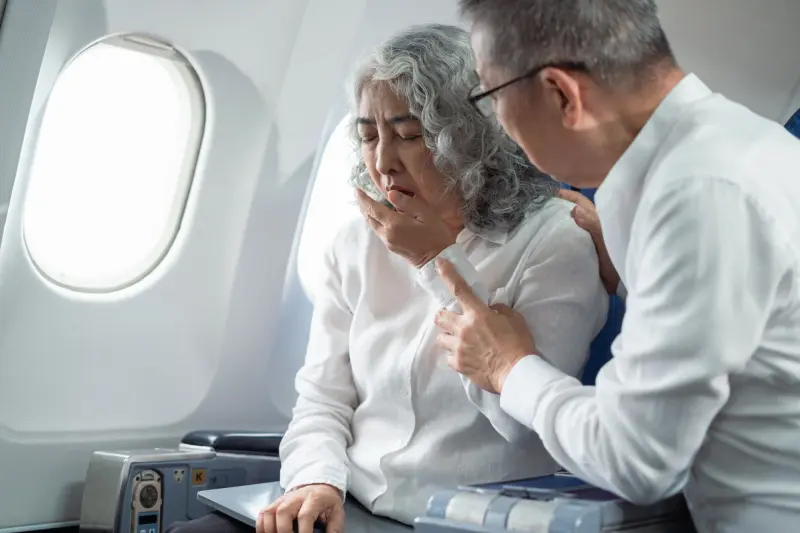
Most standard travel insurance policies in Singapore exclude pre-existing or chronic medical conditions.
This means:
Emergency medical benefits in basic plans usually apply only to new, unexpected illnesses, not to complications arising from an existing condition.
Without proper coverage, you could face high out-of-pocket costs for overseas hospitalisation, emergency evacuation, or trip disruption linked to medical issues. Medical bills in foreign countries can easily exceed thousands of dollars, and an emergency evacuation back to Singapore can cost even more.
When applying for travel insurance, look for plans that cover pre-existing medical conditions, in case medical expenses are incurred due to the condition during your trip. While these plans cost more than regular travel insurance, they do provide coverage for medical expenses arising overseas or upon return to Singapore due to a pre-existing condition.
Most insurers state that a pre-existing condition must be stable, meaning the illness has not worsened or required hospitalisation in the past 6 – 12 months.
Key features to check when deciding on a travel insurance plan:
Travel insurance plans with pre-existing condition coverage:
Travel Insurance Plan | Coverage |
|---|---|
Allianz TravelCare | Includes emergency medical treatment and trip interruption cover. |
FWD Travel Insurance | Add-on option for chronic conditions such as diabetes, asthma, hypertension, allergies, eczema, high blood pressure, lung disease, arthritis, etc. Includes trip cancellation due to pre-existing conditions. 50% co-payment for claims due to pre-existing conditions |
HL Assurance Travel Protect360 | Provides overseas medical cover and emergency evacuation for declared pre-existing illnesses. |
Income Enhanced PreX | Diabetes, hypertension, high cholesterol, asthma, heart conditions. 25% co-payment for claims due to pre-existing conditions |
MSIG TravelEasy Pre-Ex | Asthma, hypertension, diabetes, cancer (in remission), heart disease |
Singlife Travel Insurance | Allergies, arthritis, asthma, diabetes, eczema, epilepsy, heart attack, high blood pressure, lung disease, and stroke |
Tiq Travel Pre-Ex Plan | Asthma, diabetes, hypertension, stable heart conditions. No cover for follow-up treatment in Singapore; includes adventure sports coverage |
Most insurers do not cover:

Preparation starts long before takeoff. Consult your doctor before departure to confirm that your condition is stable and obtain a summary of your medical history, including prescribed medications and dosages.
Pack your medication carefully, bring enough for the entire trip, plus extra for unexpected delays, and keep it in your carry-on luggage to avoid loss. Medications should be clearly labelled and accompanied by prescriptions or a doctor’s letter, especially if they include syringes or temperature-sensitive items.
Don’t forget to research the healthcare options available at your destination. Identify the nearest hospitals or clinics and save your insurer’s emergency hotline in your phone.
You should also keep records of all prescriptions, medical reports, and insurance details, both digitally and in print, for easy access in case you need medical care overseas.
If you or a family member falls sick overseas, contact your insurer immediately. Most insurers have 24-hour emergency hotlines. Check whether your plan requires pre-authorisation before seeking treatment, and always keep medical receipts and any related medical letters, as they will be needed for claims when you return to Singapore. Keep travel documents, such as your boarding passes and flight booking, too, as insurers want proof you were on a trip.
Travel insurance with pre-existing condition coverage ensures that medical expenses from flare-ups are covered, protecting travellers from unexpected costs abroad.
Emergency evacuation benefits can be lifesaving if an urgent return to Singapore is required, while trip cancellation or delay coverage can help recover losses if a medical issue disrupts travel plans.
Beyond financial protection, the right plan provides peace of mind so you can enjoy your trip without worrying about medical risks.
Ultimately, travelling with a chronic condition doesn’t mean avoiding travel altogether. With proper preparation, consistent medication, and suitable insurance, Singaporeans can explore the world safely, confidently, and worry-free.
